Transcription and Summary Systems

Standardize your meeting intelligence. We implement enterprise-grade audio-to-text conversion and algorithmic summarization to capture every action item without manual note-taking.

How does AI handle specialized technical terminology?

Modern transcription systems utilize Custom Language Models (CLM) that can be trained on your specific industry vocabulary. By providing the system with a corpus of your existing documents, technical manuals, and previous transcripts, the AI learns to recognize niche jargon, acronyms, and product names that generic models usually misinterpret. This pre-processing step ensures that specialized terms like "asynchronous data fetching" or "micro-segmentation" are transcribed with high fidelity.

Furthermore, integration with Automated Data Processing tools allows for post-transcription correction where the AI cross-references recognized text with your internal database to verify nomenclature accuracy.

What is the Word Error Rate (WER) for business meetings?

Under optimal acoustic conditions—meaning high-quality microphones and minimal background noise—top-tier AI models achieve a Word Error Rate (WER) between 5% and 8%. In comparison, professional human transcribers typically operate at a 4% WER. For standard office environments with typical ambient noise, the rate might fluctuate between 10% and 12%, which is still sufficient for generating highly readable summaries and searchable archives.

Can the system distinguish between multiple speakers?

Yes, this is achieved through a process called Speaker Diarization. The AI analyzes the unique acoustic characteristics of each voice to segment the audio stream. Each segment is then labeled (e.g., Speaker 1, Speaker 2), and if the system is integrated with your corporate directory, it can automatically assign the correct names based on voice profiling or meeting invite data.

  • Voice-print identification for recurring participants.
  • Directional audio processing for conference room hardware.
  • Metadata matching from Calendar Synchronization platforms.

How is audio latency managed during live sessions?

Real-time transcription utilizes WebSocket protocols to stream audio chunks to the processing engine. The system processes these "packets" in parallel, returning text results within 2-3 seconds of the words being spoken. This low-latency approach allows for live closed captioning and immediate post-meeting availability of the full text log.
Summary Algorithm Comparison

Extractive Summarization

Identifies and pulls key sentences directly from the original transcript. It preserves the exact wording of the speaker, making it ideal for legal or high-compliance environments where paraphrasing might lead to misinterpretation.

Abstractive Summarization

Uses Natural Language Generation (NLG) to rewrite the content in a concise format. It understands context, filters out filler words (um, ah, like), and creates a coherent narrative that summarizes 60 minutes of talk into 5 bullet points.

Action-Item Detection

A specialized heuristic model focused exclusively on identifying commitments and deadlines. It scans for imperative verbs and time-based markers to populate task managers automatically via Scheduling Automation.

Optimization of Meeting Documentation

Implementing an AI transcription system is not merely about replacing a scribe; it is about building a searchable knowledge base. When every meeting is indexed, project managers can perform keyword searches across months of discussions to trace the evolution of a decision. This reduces "meeting debt"—the time spent rehashing old topics because no one remembers the exact outcome of the previous session.

"Organizations utilizing automated summary systems report a 35% reduction in follow-up meeting frequency and a 20% increase in task completion accuracy."

The integration process involves connecting the audio capture layer (Zoom, Teams, or physical hardware) to the processing pipeline. We ensure that the data flow is optimized for your infrastructure. For firms in specific regions, such as those leveraging Local Infrastructure and Support, latency can be further reduced by utilizing localized edge computing for initial audio preprocessing before sending it to the cloud for deep summarization.

Core Performance Metrics

  • 01. Diarization Accuracy: Ability to correctly identify who is speaking, even in cases of interruption or overlapping speech. Target performance: >92% accuracy.
  • 02. Entity Recognition: Identifying dates, prices, and names within the text to create metadata tags for the CMS.
  • 03. Sentiment Analysis: Assessing the tone of the meeting to flag potentially contentious issues that require management intervention.

Privacy and Compliance Protocols

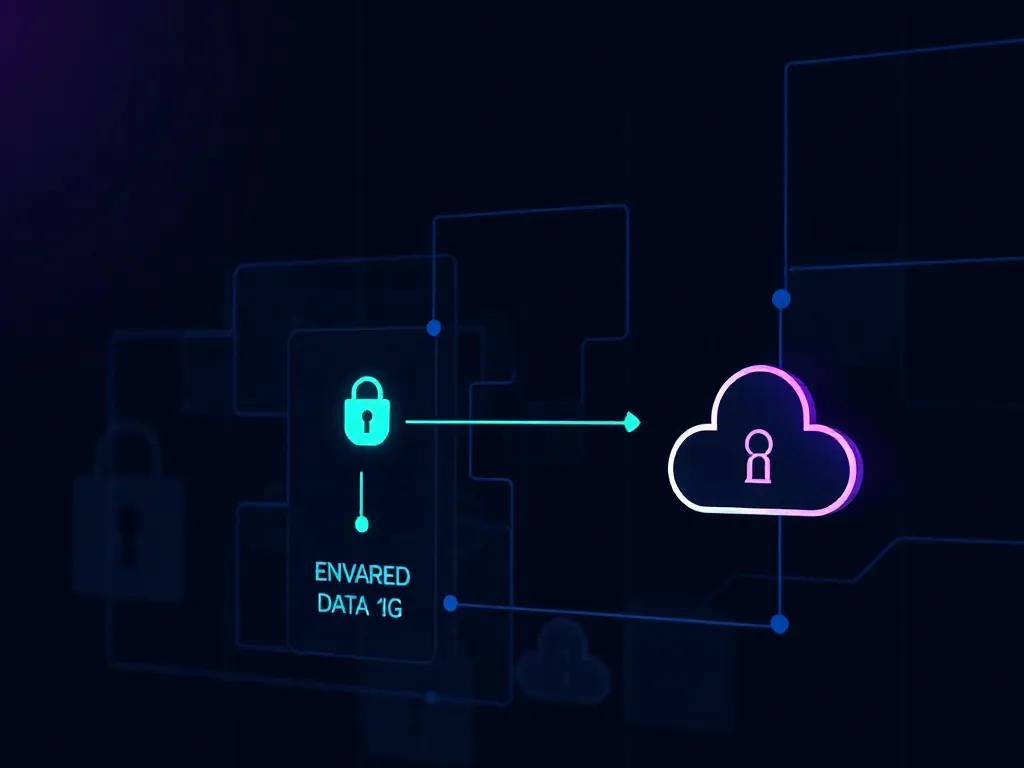
Audio data is highly sensitive. AI Bizflow ensures that all transcription pipelines adhere to strict data residency requirements and encryption standards. We utilize SOC2 Type II compliant processing and provide options for PII (Personally Identifiable Information) redaction before the data is stored in your permanent archive.

  • AES-256 encryption at rest and in transit
  • Automatic deletion of raw audio after processing
  • HIPAA and GDPR compliant workflow configurations
Review Security Policy
A professional technical diagram showing encrypted data flow

Ready to automate your meeting notes?

Connect your existing software stack to our AI transcription engine today. Reduce administrative overhead and ensure no detail is lost in translation.